YOUR STEP-BY-STEP GUIDE SUMMARY
Developing a mobility improvement management plan can be a little confusing. This guide has been designed to help you, alongside a vet and foot trimmer, to plan and implement an effective mobility improvement programme across your whole herd.
Step 1: Review Whole Herd Mobility Status
- Use an independent, RoMS accredited mobility scorer
- Reduces bias from the farm team who see cattle every day
- Picks up early lameness cases, where treatment at this time leads to better outcomes
- Enables the development of accurate and detailed records, which can be monitored and updated over time and used to create a management action list of new, chronic and maintenance cases
Step 2: Seek Specialist Advice
- Immediate veterinary attention is required for all severe or painful lesions and to develop a treatment plan
- Contact a mobility mentor (if this is not the attending vet) i.e. someone who has been trained to deliver the AHDB Healthy Feet Programme
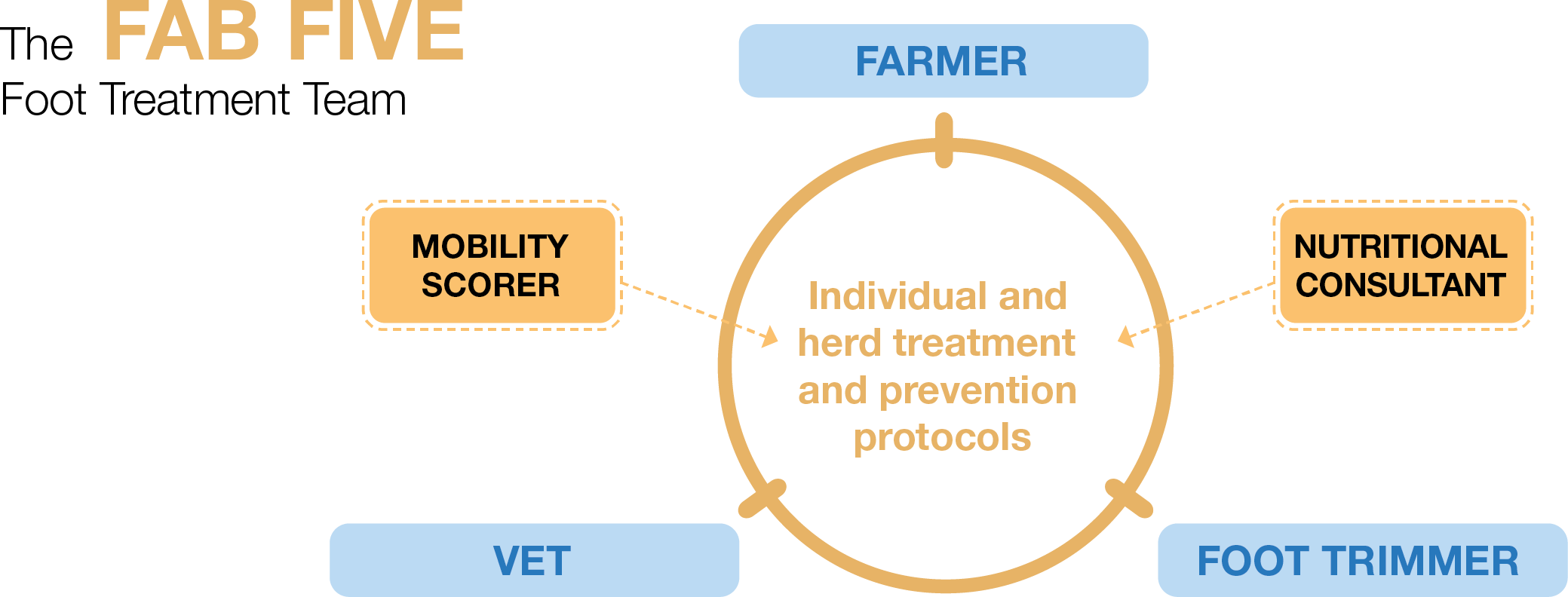
- Bring together the ‘FAB FIVE’ foot treatment team
- It may be difficult to get all 5 members of the team together at once, although virtual meetings are useful
- Arrange a discussion with your farm team, the vet and the foot trimmer and feed in information from the mobility scorer and nutritional consultant for good decision making
TREATING & PREVENTING
Implementing a robust and ongoing treatment plan will yield results in the short-term (e.g. improved cow comfort and reduced lameness) and in the longer-term (e.g. increased production and herd welfare).
Step 3: Initial Treatment Protocols
- Treatment of lame cows should take place within 48 hours of identification by the mobility scorer (or sooner, especially for animals with severely impaired mobility) and then at least fortnightly until healed
- All hoof trimming should be completed by a trained and qualified trimmer (either contracted or in-house
- All lame cows should then be rechecked after 3-5 weeks (this may need to be sooner for severe lesions) to monitor healing – especially those that receive a block, and those with digital dermatitis (DD)
- If DD lesions are present, cows should be re-checked daily to monitor healing (this can be done in the parlour)

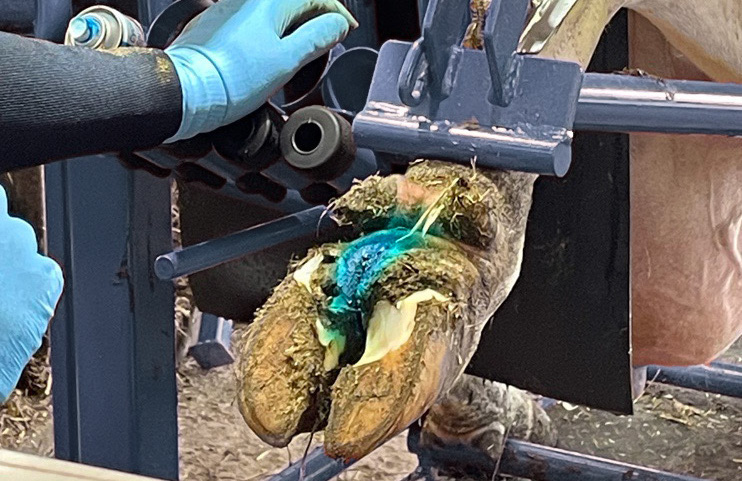
Treatment should include some or all of the following: TRIM, BLOCK, NON-STEROIDAL ANTI- INFLAMMATORY (NSAID) PAIN RELIEF and TOPICAL ANTIMICROBIAL SPRAY (as advised by your vet).
TIPS FOR THE SUCCESSFUL USE OF NSAIDs
- Seek veterinary advice before using NSAIDs to ensure the right product and administration route is selected
- The trimmer should record all cows with lesions to develop a list of those cows requiring pain relief
- If approved by a vet, the first dose of NSAID can be administered in the crush, at the time of trimming, to reduce further stress on the cow and additional labour
- Ensure cows requiring further doses are clearly identified and recorded – leg bands or stock marker can be used to highlight animals requiring NSAID administration over the following days
- One member of the team should be responsible for ongoing NSAID administration
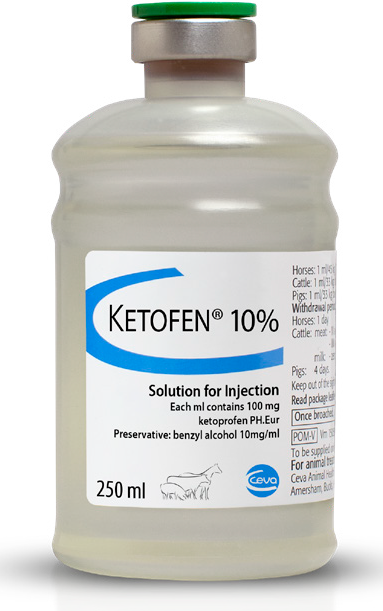
- NSAIDs containing the active ingredient ketoprofen, have a zero milk withhold, are licensed to treat lameness and have robust clinical evidence, making them suitable for use in dairy cattle
Step 4: Ongoing Treatment,Prevention and Monitoring
- Continue to use an independent mobility scorer every 2 weeks in the first instance and / or train a member of the farm team to use the ADHB scoring system (scan the QR code)
- Ongoing treatment should occur daily, with all new score 2 cows seen within 48 hours after mobility scoring
- Plan for regular visits from a trained and qualified foot trimmer who is regularly assessed as competent – ensure they have enough notice for the visit if specific days needed
- Develop daily foot bathing protocols for milking cows (as approved by a vet)
- Set up training plans with farm staff to ensure they are able to conduct accurate and timely foot checks
Scan to go to the ADHB scoring system